Our Solutions

Solving Indonesia’s waste problems, one city at a time

Recovered Indonesia designs, deploys, and operates decentralized plastic recovery systems across Indonesia, integrating collection, pre-processing, and market linkage into one structured infrastructure network.

We strengthen collection capacity at the source and connect recovered materials directly to recycling markets.

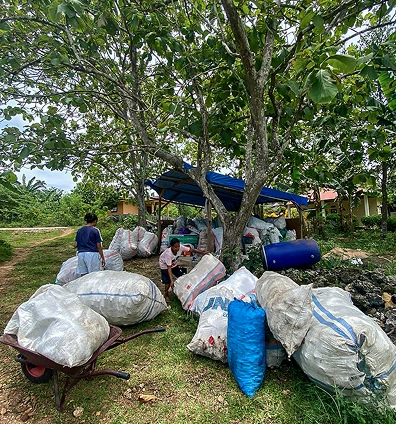
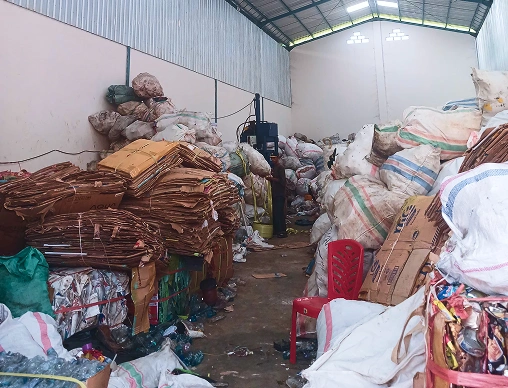
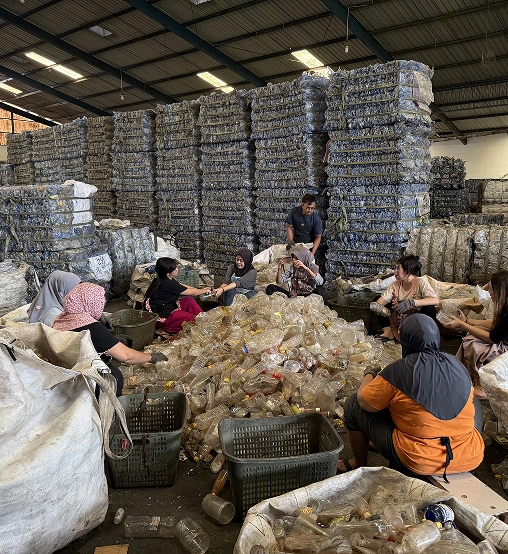
Plastic collection and sorting at a recovery site

Our Plastic Recovery System

One Integrated System

1 Informal Collectors
2 Mini-PRC
3 PRC
4 Central Circular Hub
5 Domestic and International Market

This multi-layered architecture allows us to operate efficiently across diverse geographic conditions while maintaining traceable and scalable recovery flows.

Our system combines multiple infrastructure models into one scalable network:

Plastic Recovery Center (PRC)

PRCs are RECO-operated facilities where plastic waste is aggregated, sorted, and pre-processed into recycling-ready feedstock. PRCs ensure operational efficiency, quality control, and consistent material output while serving as regional recovery anchors.

Each PRC strengthens collection networks across multiple surrounding regions.

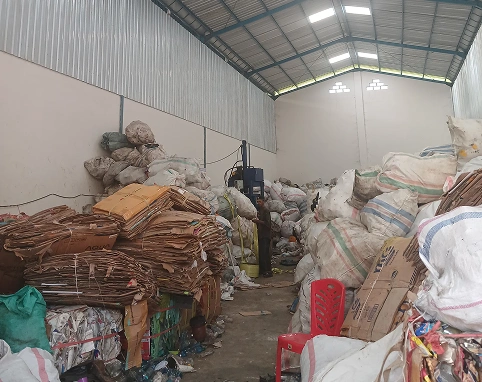
Interior of a plastic recovery center with sorted materials
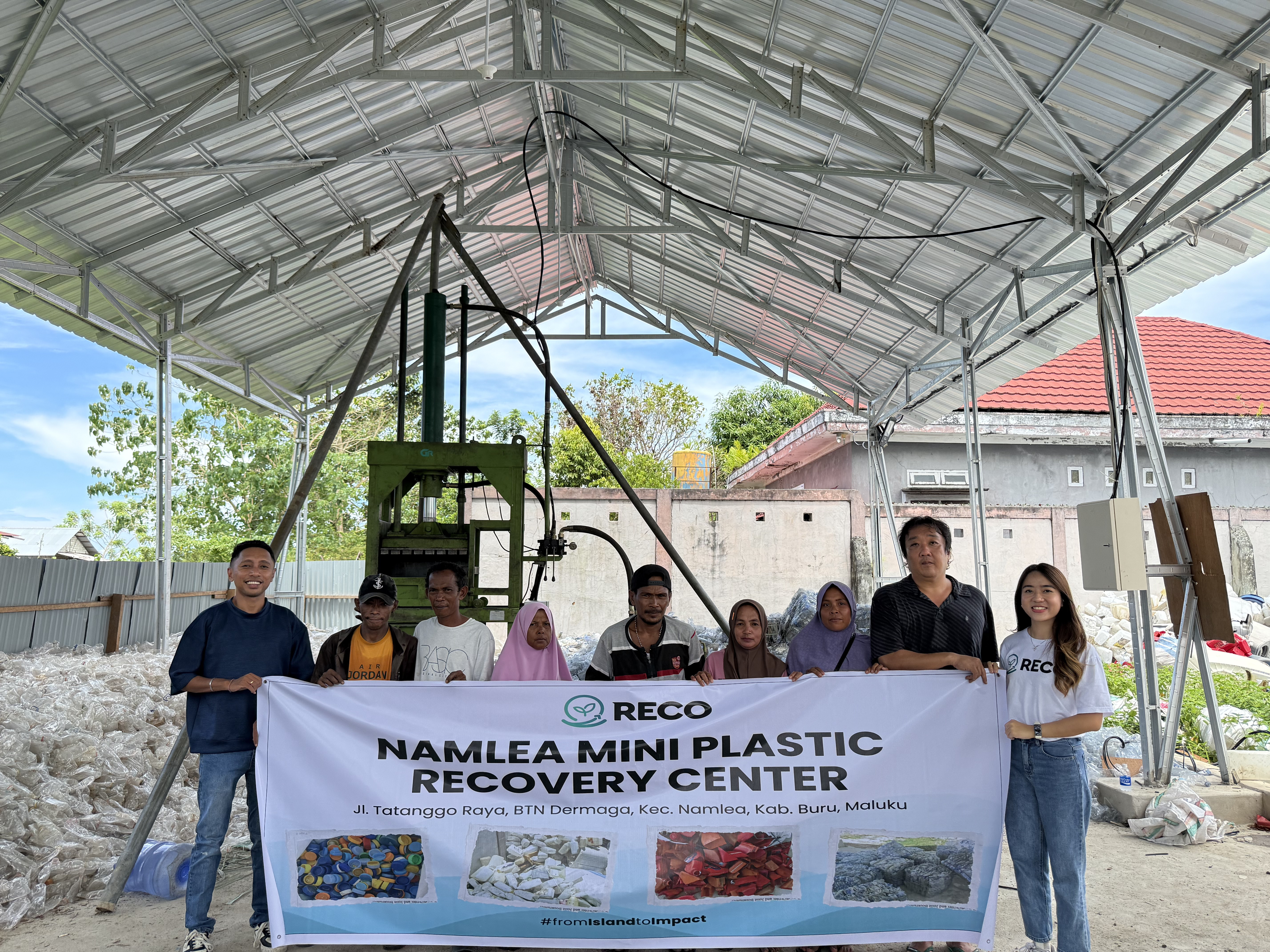
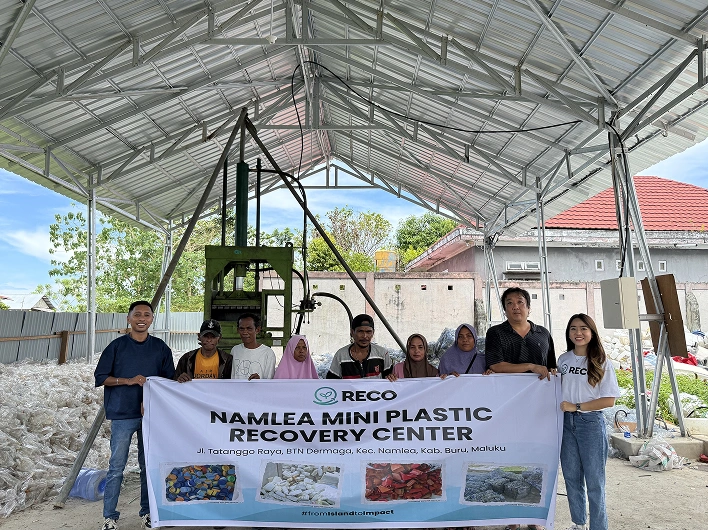
Community members at a Mini Plastic Recovery Center

Mini Plastic Recovery Center (Mini-PRC)

Mini-PRCs are community-led, business-oriented pre-processing facilities designed for remote and island settings. Mini-PRCs enable local waste collection and basic sorting close to the source, create income opportunities, and connect isolated communities into the national recycling value chain.

Designed for remote realities. Built for commercial viability.

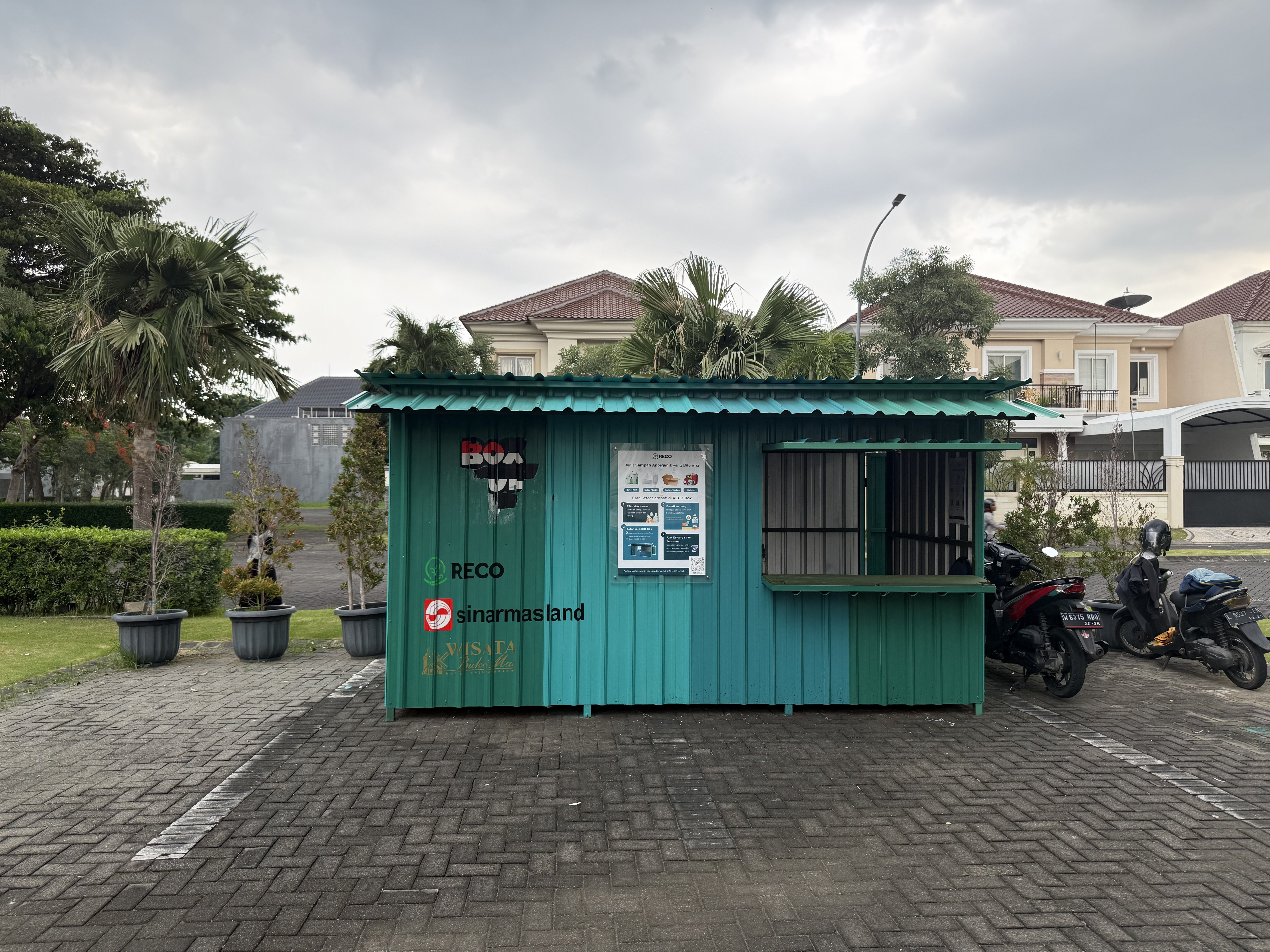
Plastic Recovery Points (PRP)

PRPs are business-operated pre-processing nodes where commercial plastic waste is sorted and baled before being transferred into RECO’s recovery network. PRPs expand collection coverage while strengthening responsible waste management practices in the private sector.

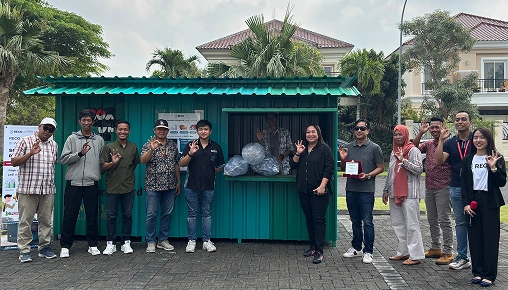
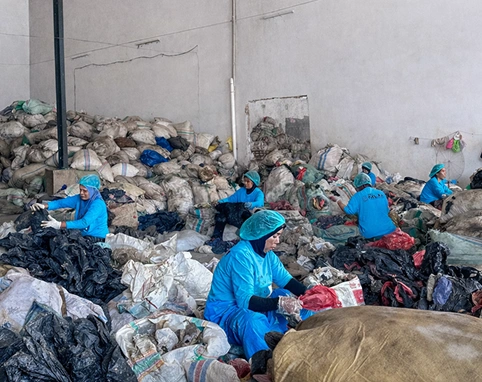
Team at a Plastic Recovery Point facility
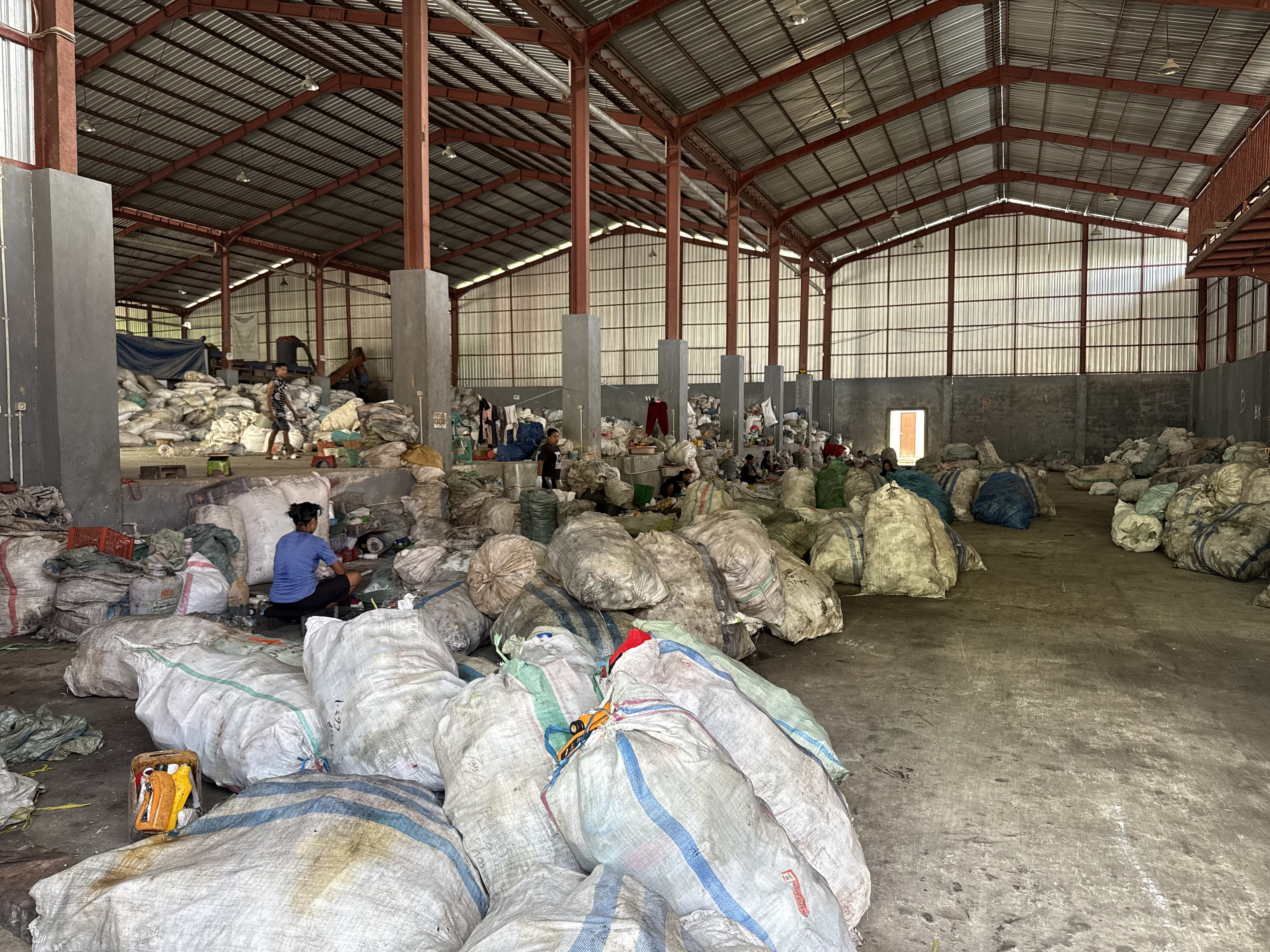
Central Circular Hub warehouse with aggregated materials

Central Circular Hub (CCH)

The Central Circular Hub consolidates materials from multiple PRCs and Mini-PRCs, enabling:

  • Bulk transport efficiency
  • Quality assurance and grading
  • Market integration
  • Reduced logistics costs
  • Scalable material aggregation

The hub connects decentralized recovery systems to national and international recycling markets.

Powered by Technology

RECOllection App — Digital Traceability Infrastructure

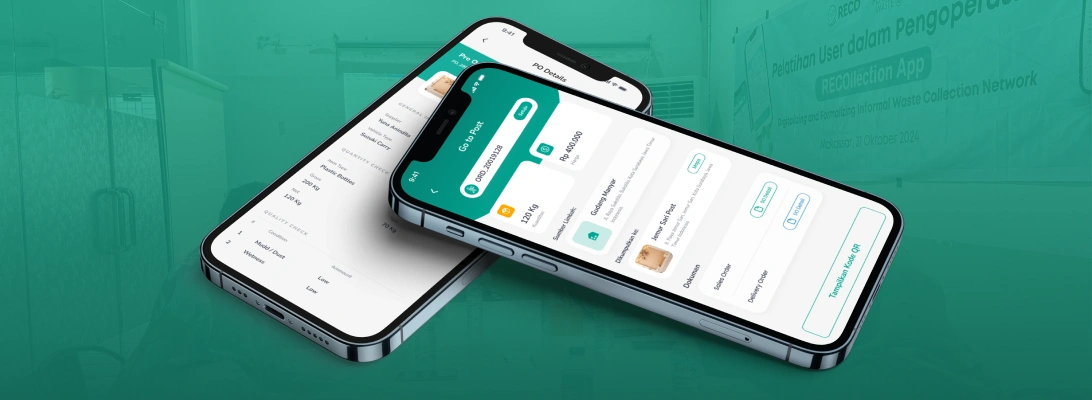
RECOllection is RECO’s digital waste monitoring platform that strengthens transparency and system integrity across our network.

The platform enables:

  • Real-time tracking of collected volumes
  • Collector onboarding and monitoring
  • Transparent reporting for partners
  • EPR-aligned documentation
  • Data-driven system optimization

Plastic Recovery Center (PRC)

Makassar PRC sorting floor

Makassar PRC

2023 - Present | Gowa, South Sulawesi

Ocean-Bound Community Collection and Recycling of Mixed Plastics in South Sulawesi, Indonesia (PPRS)

Capable of converting post-consumer packaging into recycled plastic pellets. Its main mission is to prevent plastic packaging leakage to the sea.


Plastic Types:

PET HDPE PP LDPE Mixed

Collection Points:

Unmanaged dumps and landfills; community collection points across islands (households, schools, offices, local aggregation sites).


Collaboration with total 54 informal sector

Female Worker 73
Male workers 48
Total Workers 121

Capacity:

Sorting 200 TPM
Pelletizing 160 TPM
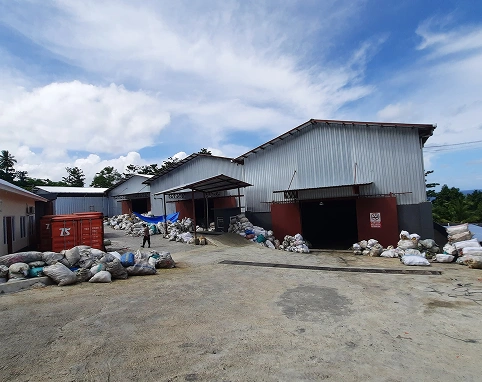
Ambon PRC facility

Ambon PRC

2024 - Present | Ambon, Maluku

Ocean-Bound Community Collection and Recycling of Mixed Plastics in Ambon, Indonesia (PPRS)

Located right beside the ocean, Million Limbah Ambon (MLA) often holds beach clean-up events to prevent waste leakage to the sea.


Plastic Types:

PET HDPE PP LDPE Mixed

Collection Points:

5 primary community collection points for household plastic segregation; 12 coastal collection sites purchasing plastic from coastal communities and waste pickers; additional recovery from river traps, coastal cleanup operations, and landfill diversion activities.


Collaboration with total 15 informal sector and 8 waste banks / TPST

Female Worker 23
Male workers 15
Total Workers 38

Capacity:

Sorting 125 TPM
Pelletizing 100 TPM
Sorong PRC facility

Sorong PRC

2024 - Present | Sorong, West Papua

Sorong Plastic Recovery Center, operated by PT Milion Limbah Papua (MLP), collects and processes post-consumer plastic waste in Sorong to prevent plastic leakage into marine ecosystems, including the Raja Ampat region.

The facility aggregates materials from landfill surroundings, households, offices, waste banks, and environmental communities to strengthen structured recovery in West Papua.


Plastic Types Recovered:

PET HDPE PP LDPE

Additional materials:

Paper & cardboard Aluminium

Collection Points:

TPA Kota Sorong (communities around landfill area); households and offices; Bank Sampah Sorong Raya; local environmental communities.


Suppliers Network

1 Waste Bank (Sorong Raya); 15+ landfill waste pickers; 10 household suppliers; 2 environmental community groups.


Impact Focus

Prevention of ocean-bound plastic leakage; formalization of landfill waste pickers; strengthening local circular economy; supporting tourism-sensitive coastal regions.


Collaboration with total 15 informal sector and 8 waste banks / TPST

Female Worker 73
Male workers 48
Total Workers 121

Capacity:

Sorting 200 TPM
Purchasing Volume 35 TPM
PET Production 23 TPM
Grinding Capacity 8 TPM

Mini Plastic Recovery Center (Mini-PRC)

Namlea
Mini-PRC


Location:

Namlea, Buru Island

Namlea Mini Plastic Recovery Center team