Central Circular Hub
Gresik
Driving measurable impact for the people and Planet
Plastic pollution is not only an environmental issue. It is an infrastructure gap, a livelihood challenge, and a systems problem.
RECOVERED Indonesia strengthens plastic recovery where waste management is limited, transforming unmanaged waste into measurable environmental and social progress across coastal and underserved regions.
RECOVERED is supported by a broader ecosystem of partners. Veritas Edukasi Lingkungan (VEL) drives education and behavior change, while their viral social media platform BuleSampah creates reach, awareness and amplified engagement.
10,000+ tonnes of plastic recovered
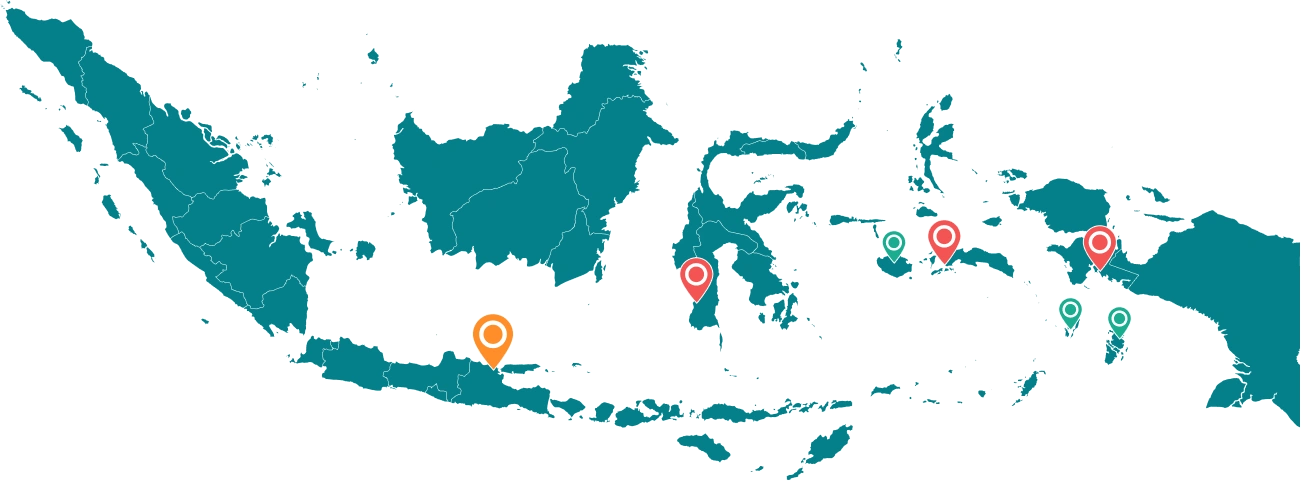
Gresik
Makassar, Ambon, Sorong
Namlea
Digitally monitored through RECOllection. Certified under OBP & PPRS standards. Building Indonesia's decentralized recovery backbone.
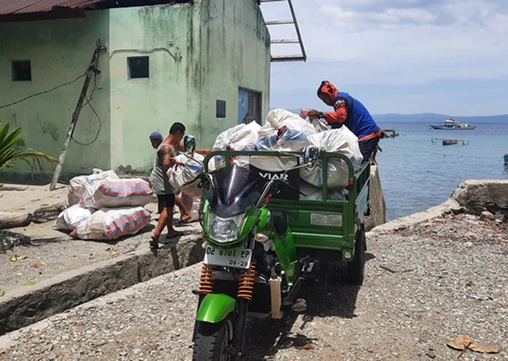
Expanding Recovery Capacity at the Source
We deploy decentralized Plastic Recovery Centers (PRCs) and Mini-PRCs in high-leakage coastal regions where formal waste systems are limited.
Our systems:
Designed for local realities. Built for scale.
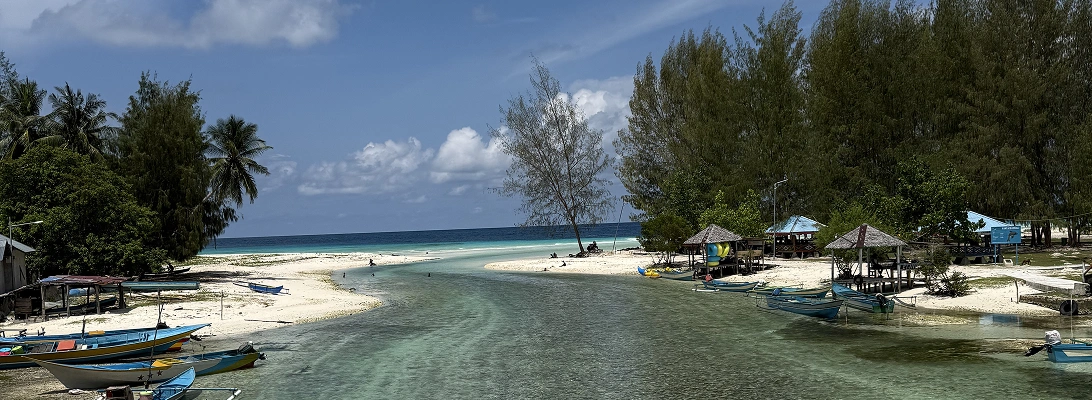
Preventing Marine Plastic Leakage
By strengthening collection systems in coastal and island regions, we intercept ocean-bound plastic before it reaches rivers and seas.
RECOVERED plastic is processed into recycling-ready feedstock and reintegrated into domestic and international markets, reducing reliance on virgin materials.
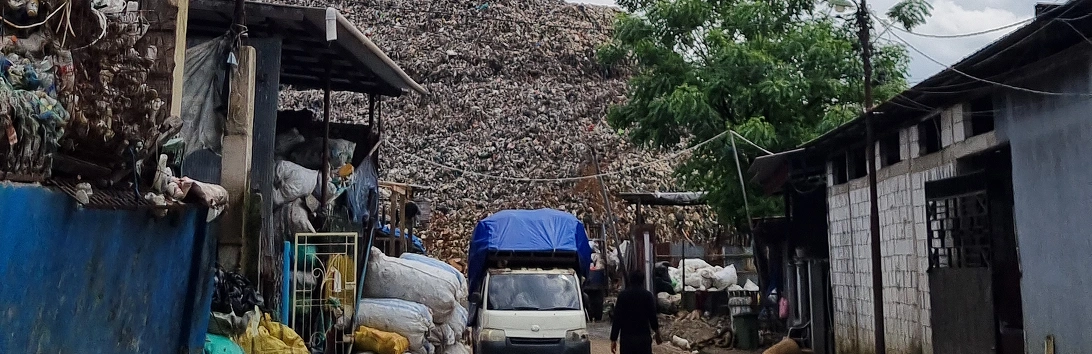
Formalizing Informal Waste Networks
We integrate informal waste collectors into structured recovery systems, enabling:
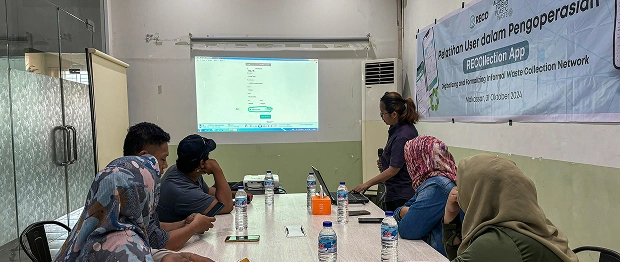
Continuous education and operational training strengthen sorting quality, safety standards, and long-term system sustainability.
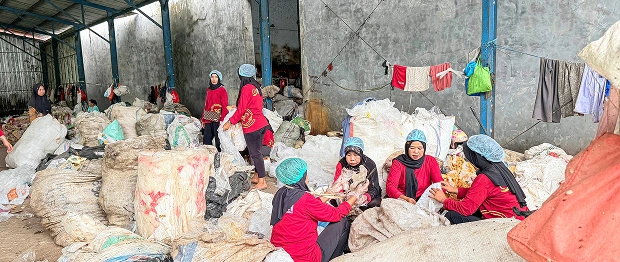
More than 60% of RECO's workforce are women, leading operations and strengthening community-based recovery systems.
Inclusion is embedded in how we operate, not treated as an afterthought.
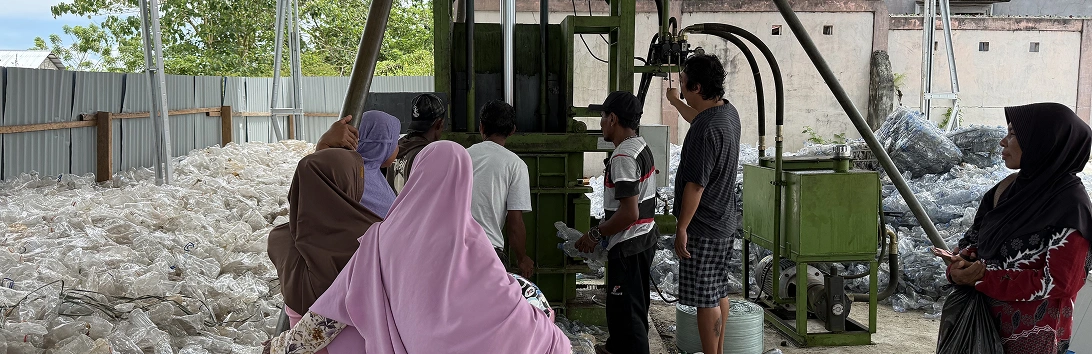
Our operations directly contribute to the following Sustainable Development Goals:
Formalizing informal waste collectors and creating stable income opportunities within structured recovery systems.
Strengthening decentralized waste infrastructure in underserved urban and coastal regions.
Recovering low-value and hard-to-recycle plastics and reintegrating them into circular material flows.
Reducing open burning and landfill dependency while lowering emissions through material recovery.
Preventing ocean-bound plastic from entering marine ecosystems through source-based interception.